
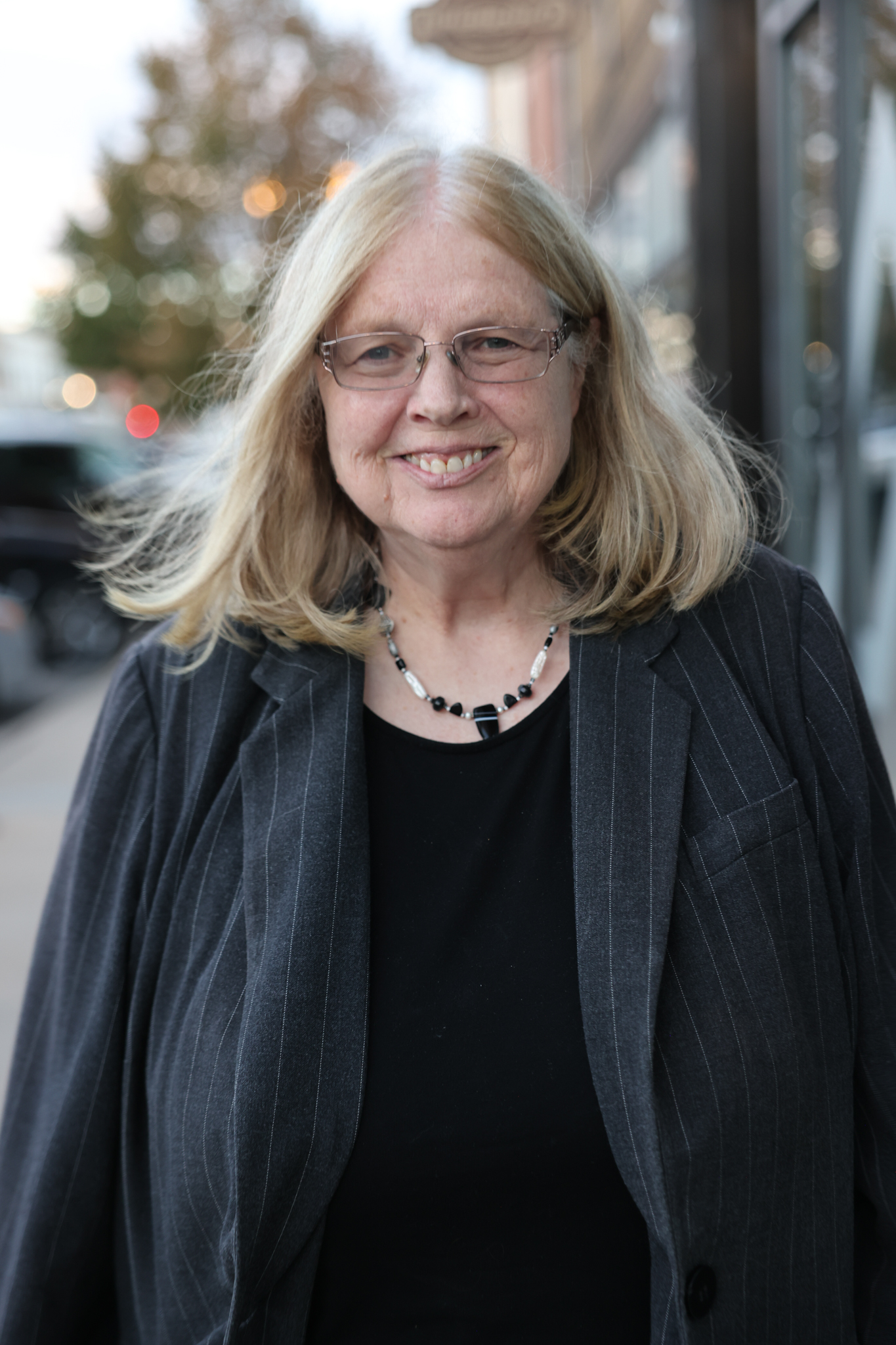
Lisa’s response to the Wyoming Tribune Eagle’s election guide questions can be found here, along with responses from other candidates.
Category: Healthcare
-
Rural Healthcare is Basic to Wyoming
As a Wyoming State Senator in 1991, Lisa Kinney complained that rural health was ignored by the Senate Education and Health Committee during a meeting in Cheyenne. Senator Kinney called for the committee “to focus on rural community health issues prior to the upcoming budget session” (Laramie Daily Boomerang 10/10/1991). The article continued, stating that “In response to her call, the bipartisan legislative committee voted to ask the Legislative Management Council for two full meeting days for the entire interim committee to meet and hold hearings on rural health care topics.” Indeed, the Health Committee of both parties worked together to resolve issues facing Wyoming.
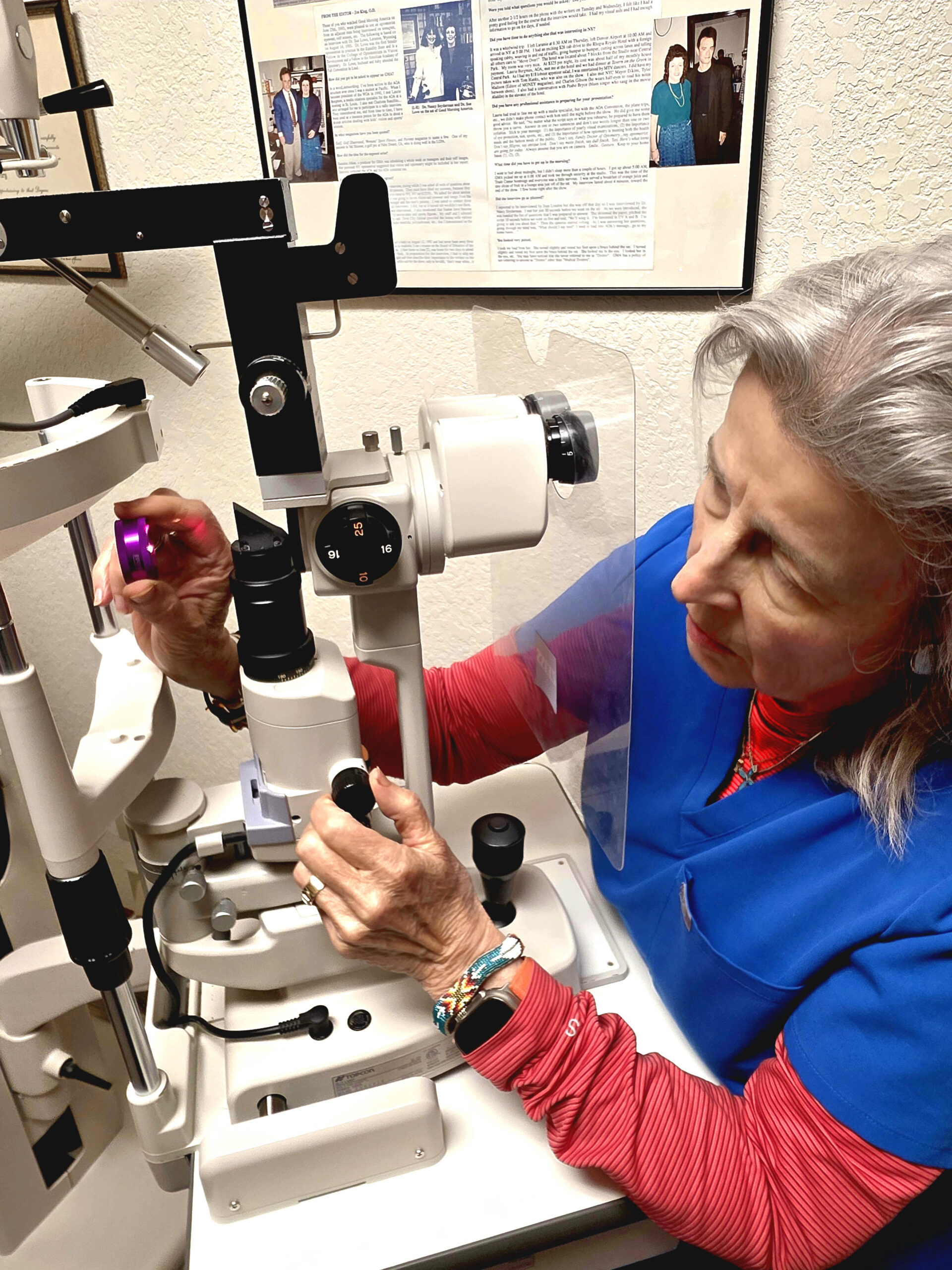
Previously, Senator Kinney sponsored and passed a bill allowing optometrists to prescribe medication. Dr. Sue Lowe, Laramie optometrist, asked her to sponsor this legislation to allow optometrists to provide cost-effective, essential, and accurate treatments for patients. Prior to Senator Kinney’s bill, if a patient saw an optometrist and needed medication, the patient had to get a second appointment with a family doctor for the prescription. “Passing my bill served rural patients because the optometrist could prescribe the medication immediately without the patient seeing a second doctor,” Kinney stated. “I will continue and am determined to help resolve rural health care issues when I am elected to the US House,” Kinney concluded.
-
Mental Healthcare is Healthcare
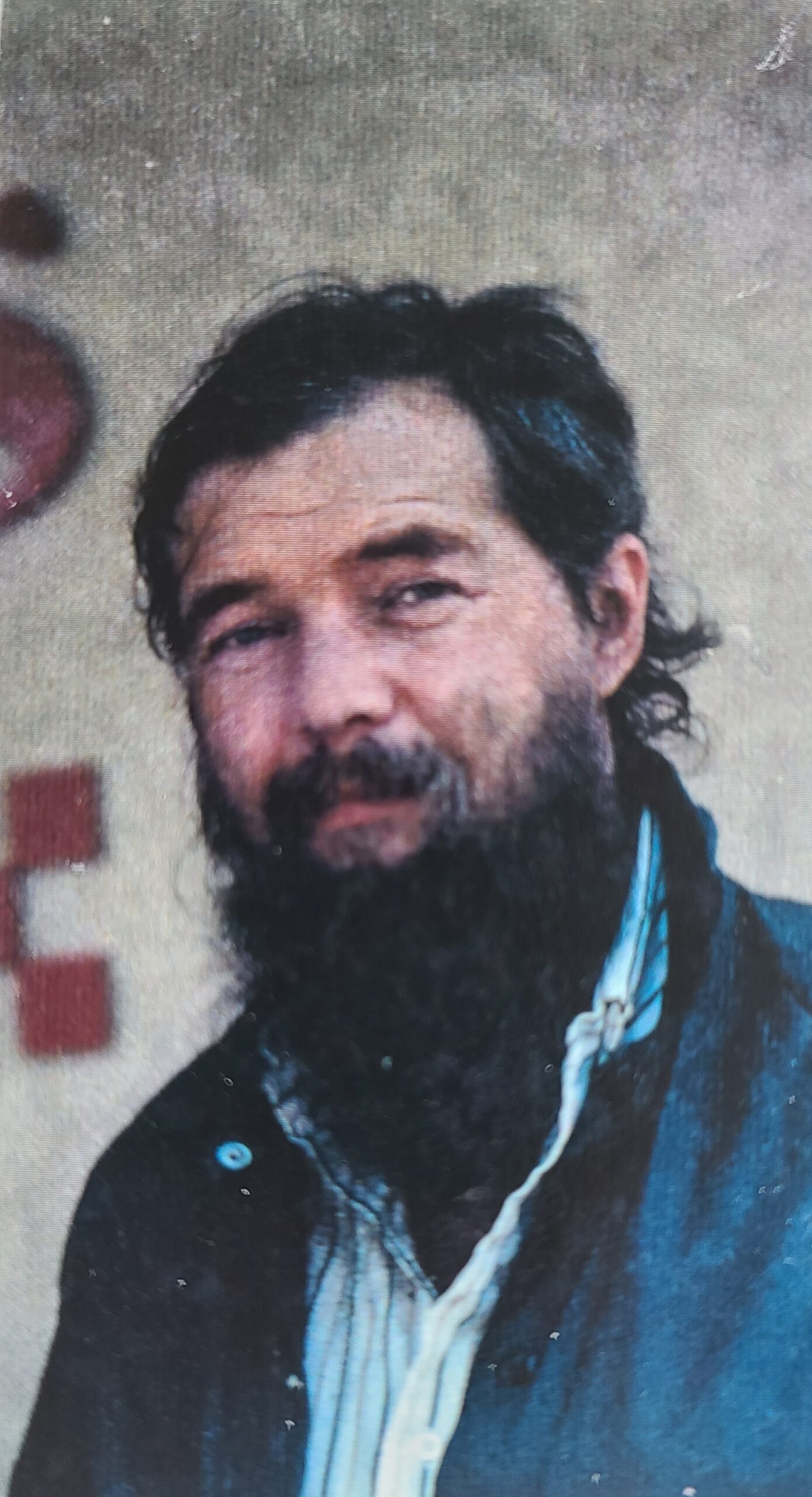
There is a mental health crisis in the United States. When I think about this, I think of my brother Wayne – a genius, an extraordinary pianist, humorous, and the kindest person I have known. At age 17, he took acid and never came back. He spent years being homeless in San Francisco and only when he found himself in a mental hospital with proper medication and counseling, he was able to come home. He died at age 42. Since then, my mother, Dr. Phyllis Kinney and I have written books about drugs and legal rights of individuals with mental illness through National Alliance on Mental Illness (NAMI) and Wyoming Alliance of Mental Illness (WYAMI). We need to create and provide funding to take better care of our families.
Some of the cuts made recently were to the “Substance Abuse and Mental Health Services Administration (SAMHSA) where half of its workforce was reduced through layoffs. Along with these cuts, most youth mental health staff at the Center for Mental Health Services were let go; early discretionary budgets were slashed nearly $1.1 billion by Elon Musk and DOGE from SAMHSA and billions from the Department of Health and Human Services (HHS).
More than 1 billion people worldwide live with a mental health condition. One in seven young people. Despite these alarming numbers, the public health response is woefully inadequate. In the words of Dr Tedros, WHO Director General, “Mental health remains one of the most neglected areas of public health and health services delivery”. Indeed, the WHO report World Mental Health Today, published in September, paints a sobering picture with rising incidence rates, persistent service gaps, and a glaring neglect of youth-specific mental health needs. The following article in the Lancet from November 2025 explains it more: Mental health: a public health crisis unfolding
https://www.thelancet.com/journals/lanpub/article/PIIS2468-2667(25)00261-0/fulltext
I will work to bring back funding for these important programs. I urge you to do your own research, as well. Mental and physical health should be treated equally for everyone.
-

Healthcare In Wyoming
I recently attended the Wyoming Healthcare Policy Summit with Faith Jones, who is currently Vice-President of the Wyoming Nurses Association. The summit was a comprehensive, intense analysis of rural healthcare hosted by the Wyoming Medical Society. Ten percent of Wyoming is without healthcare and six rural hospitals are at risk of closing altogether. When rural hospitals close, the three hardest hit groups are the ranchers, the small business owners and nonprofits. We must invest money in Wyoming people and healthcare and bring back the ACA subsidies.
The U.S. Department of Education has also recently excluded nursing from its internal list of “professional degree” programs which drops the annual federal graduate student loan limit for advanced nursing degrees from $50,000 to $20,500. This hurts both students and healthcare facilities even more.
In Wyoming, 81% of our voters believe the cost of health care is too high. I will work with other legislators in a bipartisan manner to find a solution to this problem.